

Join the Fight for Cannabis Legalization – Your Voice Matters
Cannabis legalization advocacy has reached a critical turning point. With over half the United States having enacted some form of cannabis reform, the momentum for ending prohibition has never been stronger. Yet millions of Americans still face arrest, incarceration, and life-altering consequences for possessing a plant. More than 31 states have already deemed cannabis legal for medical or recreational use.
Stop waiting for things to happen… start being a part of the change you want to see.
“Penalties against possession of a drug should not be more damaging to an individual than the use of the drug itself; and where they are, they should be changed.” – Jimmy Carter
Cannabis legalization advocacy has reached a critical turning point. With over half the United States having enacted some form of cannabis reform, the momentum for ending prohibition has never been stronger. Yet millions of Americans still face arrest, incarceration, and life-altering consequences for possessing a plant. More than 31 states have already deemed cannabis legal for medical or recreational use.
The Numbers Don’t Lie
In 2023, 81% of all drug-related arrests were for simple cannabis possession. That’s over 200,000 people arrested for something that’s legal in more than half the country.
Someone is arrested for a cannabis-related offense every 2.5 minutes in America. These arrests disproportionately impact communities of color despite equal usage rates across racial lines.
Beyond Changing Laws
This isn’t just about policy reform. It’s about changing lives.
Cannabis prohibition has created a system where penalties for possession cause more harm than cannabis use itself. Families are torn apart, careers are destroyed, and entire communities bear the lasting scars of a failed policy experiment.
All Things Cannabis partners with Freedom Grow and other advocacy organizations because we believe in action, not just awareness. When laws change, they don’t automatically free those imprisoned under old statutes or expunge criminal records that continue to limit opportunities.
No one should serve time for a plant.
Cannabis Activism News & Advocacy Updates || All Things Cannabis
- Rescheduled, Not Freed: What Cannabis’ New Schedule III Status Means for Patients and Consumer
 If you caught Part 1 of this series, you already know that the DOJ’s April 23rd rescheduling action was real…
 - Medical Cannabis Is Now Schedule III — But What Actually Changed?
 The DOJ announcement was real and historic. So is the fine print. Here’s a clear-eyed breakdown of what the federal…
 - Idaho Voters Could Lose the Right to Decide on Medical Cannabis Forever
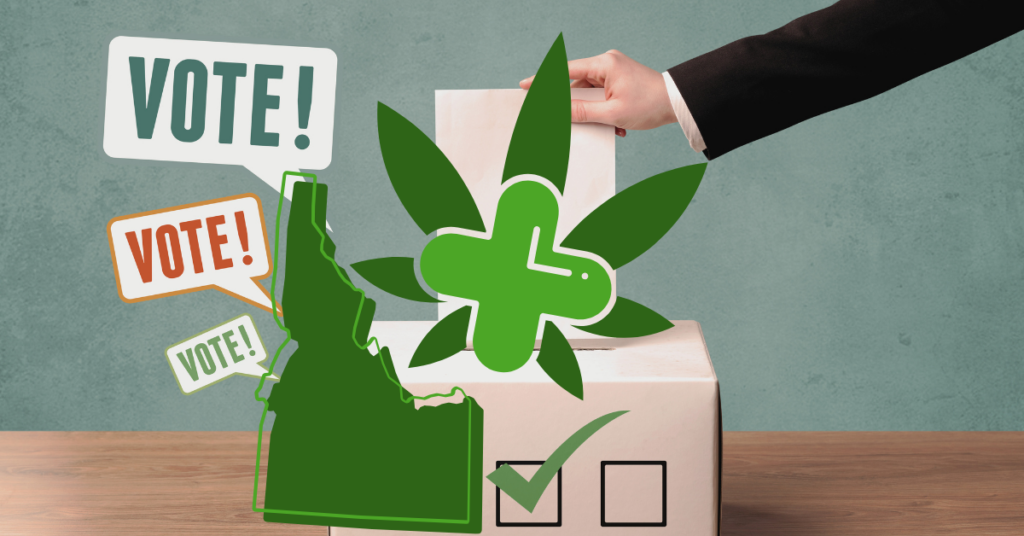 Idaho has long been an outlier in the national cannabis conversation — and not in a good way. While the…
 - After Nearly a Decade of Half-Measures, Georgia Is Finally Sending a Real Medical Cannabis Bill to the Governor’s Desk
 If you’ve been following Georgia’s cannabis saga for any length of time then you know the pattern already: a promising…
 - New Study: Cannabis Legalization Linked to Major Decline in Daily Opioid Use Among People Who Inject Drugs
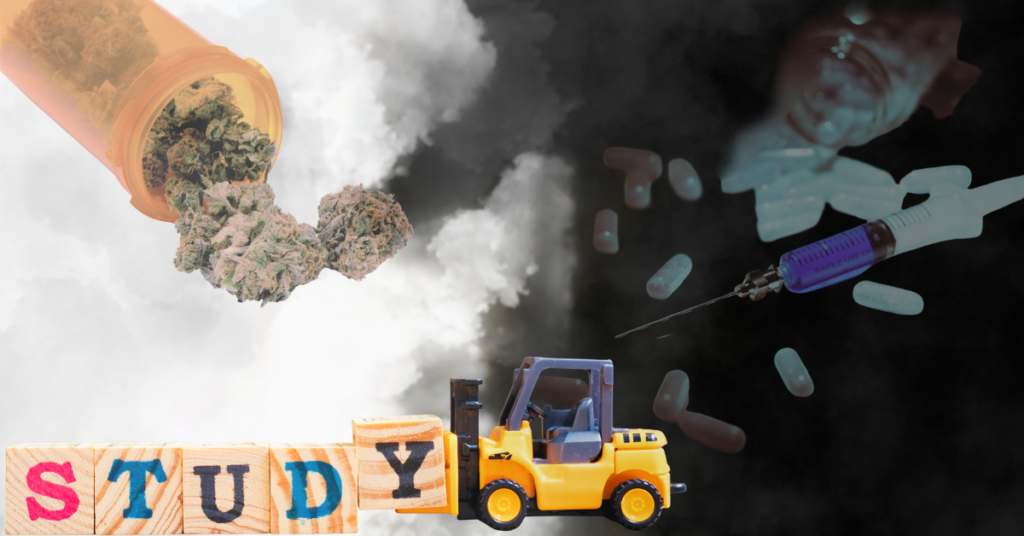 Another study for the “pros” column of the pro-con list for cannabis legalization just hit the research journals, and this…

Cannabis Activism FAQ: How Can You Help the Legalization Movement Now
How can I help legalize cannabis in my state?
Start by connecting with local advocacy organizations like your state NORML chapter or grassroots reform groups. These organizations coordinate petition drives, lobby efforts, and voter education campaigns that need volunteers.
Contact your representatives regularly about cannabis reform legislation. Most legislators hear more from opponents than supporters of legalization.
Share factual information about cannabis policy with friends, family, and social media networks. Personal stories and scientific evidence change minds more than political arguments.
What’s the difference between decriminalization and legalization?
Decriminalization typically removes criminal penalties for possession of small amounts but doesn’t create legal sales or regulation systems. You might get a ticket instead of arrest, but cannabis remains illegal.
Legalization creates regulated markets with licensed businesses, taxation, and consumer protections. It also usually includes provisions for expunging past convictions and releasing people imprisoned for cannabis offenses.
Medical legalization allows patients with qualifying conditions to access cannabis through licensed dispensaries, often with lower taxes and higher possession limits than recreational programs.
How do I find local advocacy groups?
NORML.org has a chapter directory covering most states with organized cannabis reform efforts. Local chapters coordinate grassroots advocacy and provide resources for new activists.
Check social media for local cannabis advocacy groups, reform organizations, and patient advocacy networks. Many cities have Facebook groups or Instagram accounts dedicated to local cannabis policy.
Attend city council meetings and state legislative sessions where cannabis policy is discussed. You’ll often meet other advocates and learn about organized efforts in your area.
What should I know about cannabis policy reform?
Effective cannabis policy addresses social equity, criminal justice reform, medical access, taxation, and regulation. The best legalization measures include provisions for people harmed by prohibition.
Study successful legalization models from other states to understand what works and what doesn’t. Colorado, Washington, California, and other early adopters provide lessons for new programs.
Support measures that prioritize social equity, expungement of past convictions, and reinvestment in communities harmed by prohibition. Legalization should repair past harm, not just create new business opportunities.