

Understanding Cannabis Culture – More Than Just Getting High
Cannabis culture encompasses far more than media stereotypes suggest. This rich, diverse community includes medical patients managing chronic conditions, creative professionals using cannabis to enhance their work, and advocates fighting for criminal justice reform.
The evolution of cannabis culture reflects changing social attitudes toward the plant itself.
Cannabis culture isn’t a trend – it’s a centuries-old tradition reclaiming its place in society.
“When you smoke the herb, it reveals you to yourself.” – Bob Marley
Cannabis has been woven into human culture for thousands of years, used in spiritual practices, creative expression, and community building long before prohibition attempted to erase it. Today’s cannabis culture represents a reclamation of that heritage – celebrating the plant openly, challenging stigma, and creating spaces where consumption is normalized rather than criminalized. From music and art to wellness and cuisine, cannabis culture shapes how we connect with the plant and with each other.
From Shadows to Mainstream
What once existed in underground communities now happens in licensed dispensaries, legal home grows, and mainstream media coverage. Yet understanding cannabis culture requires looking beyond legalization headlines.
The communities that preserved cannabis knowledge through decades of prohibition built the foundation for today’s legal industry.
Modern cannabis culture blends traditional practices with contemporary innovations. Ancient consumption methods like vaporization have been refined with modern technology.
Diverse Communities, Shared Values
Medical cannabis culture prioritizes therapeutic benefits and precise dosing. Recreational cannabis culture might focus more on social experiences and flavor profiles.
Professional cannabis culture emphasizes expertise and industry knowledge. From growers to budtenders to advocates, these communities value education and skill development.
Cannabis etiquette varies significantly across different contexts and communities.
Evolution of Cannabis Cuisine
The cooking culture surrounding cannabis has exploded beyond basic brownies into sophisticated culinary arts. Cannabis chefs create dosage-controlled experiences that rival traditional fine dining.
Home cooks experiment with infusions, terpene pairings, and presentation techniques that would have been impossible during prohibition. Understanding decarboxylation, dosing calculations, and flavor balance has become essential knowledge.
Cannabis cooking isn’t just about getting high. It’s about creating experiences.
Responsibility and Recognition
Perhaps most importantly, cannabis culture includes recognition that prohibition caused real harm to real people. The celebration of legalization comes with responsibility to support those still affected by cannabis criminalization.
This awareness drives much of the advocacy work within cannabis communities. Cannabis culture isn’t monolithic – it’s made up of diverse communities united by shared experiences with a remarkable plant.
Cannabis Culture & Lifestyle News || All Things Cannabis
- Rescheduled, Not Freed: What Cannabis’ New Schedule III Status Means for Patients and Consumer
 If you caught Part 1 of this series, you already know that the DOJ’s April 23rd rescheduling action was real…
 - Medical Cannabis Is Now Schedule III — But What Actually Changed?
 The DOJ announcement was real and historic. So is the fine print. Here’s a clear-eyed breakdown of what the federal…
 - Idaho Voters Could Lose the Right to Decide on Medical Cannabis Forever
 Idaho has long been an outlier in the national cannabis conversation — and not in a good way. While the…
 - After Nearly a Decade of Half-Measures, Georgia Is Finally Sending a Real Medical Cannabis Bill to the Governor’s Desk
 If you’ve been following Georgia’s cannabis saga for any length of time then you know the pattern already: a promising…
 - New Study: Cannabis Legalization Linked to Major Decline in Daily Opioid Use Among People Who Inject Drugs
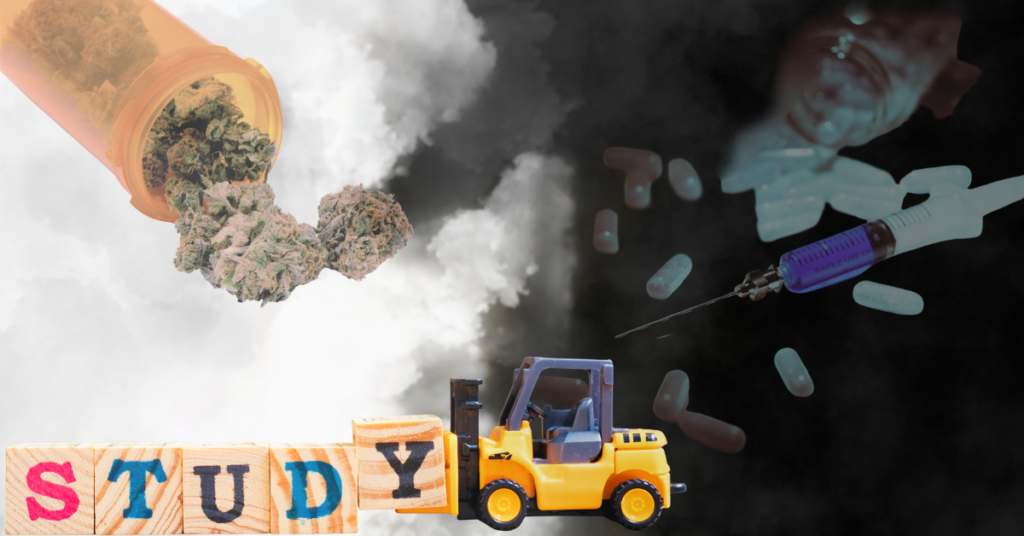 Another study for the “pros” column of the pro-con list for cannabis legalization just hit the research journals, and this…

Cannabis Culture FAQ: From “Stoner Etiquette” to Safely Dosing Edibles and beyond.
What’s proper cannabis etiquette?
Always ask before smoking in someone’s home or private space, even in legal states. Not everyone is comfortable with cannabis consumption around them, and respecting boundaries builds positive relationships.
When sharing cannabis, contribute to the circle whether through cannabis, money, or snacks whenever possible. “Puff, puff, pass” remains a common sharing protocol for joints/blunts, take a good puff and pass if it’s a bowl or bong; but always ask about group preferences.
Don’t pressure anyone to consume more than they’re comfortable with. Cannabis affects everyone differently, and peer pressure can lead to negative experiences that harm cannabis culture overall.
How do I cook with cannabis safely?
Start with small amounts and test potency before serving to others. Homemade edibles are notoriously inconsistent in dosing, and overconsumption can create negative experiences for hours.
Always decarboxylate cannabis before cooking to activate THC. Raw cannabis won’t produce psychoactive effects in food. Low and slow heating preserves cannabinoids while activating them.
Label cannabis-infused foods clearly and store them away from children and pets. Cannabis edibles can look identical to regular food, creating serious safety risks if consumed accidentally.
Download your free copy of the The Do’s and Don’ts of Cooking with Cannabis for a more in depth answer, recipes for cannabutter/oil, and more!
What should I know before trying edibles?
Edibles take 30 minutes to 2 hours to take effect, and effects can last 4-8 hours. Start with 2.5-5mg of THC and wait at least 2 hours before consuming more.
Eating cannabis on an empty stomach may increase absorption speed and intensity. Having food in your stomach typically slows onset and reduces peak effects.
If you consume too much, stay calm and hydrate. Find a comfortable, safe space and remember that the effects are temporary. CBD may help counteract excessive THC effects.
How do I find cannabis community?
Look for local cannabis meetups, industry events, and advocacy organizations. Many cities have cannabis social clubs, educational seminars, and networking events for enthusiasts and professionals.
Online communities on Reddit, Discord, and specialized forums offer spaces to ask questions, share experiences, and learn from other cannabis users. Popular subreddits include r/trees, r/eldertrees, and strain-specific communities.
Volunteer with cannabis advocacy organizations to meet like-minded people working toward reform. Organizations like NORML, Americans for Safe Access, and local reform groups always need volunteers.
What’s the difference between cannabis communities?
Medical cannabis communities focus on therapeutic applications, dosing protocols, and patient rights. These groups prioritize access, affordability, and product consistency for treating specific conditions.
Recreational cannabis communities emphasize enjoyment, social consumption, and product variety. These groups might focus more on flavor profiles, consumption methods, and social experiences.
Industry professionals form communities around cultivation techniques, business strategies, and regulatory compliance. These networks share technical knowledge and business insights specific to cannabis markets.